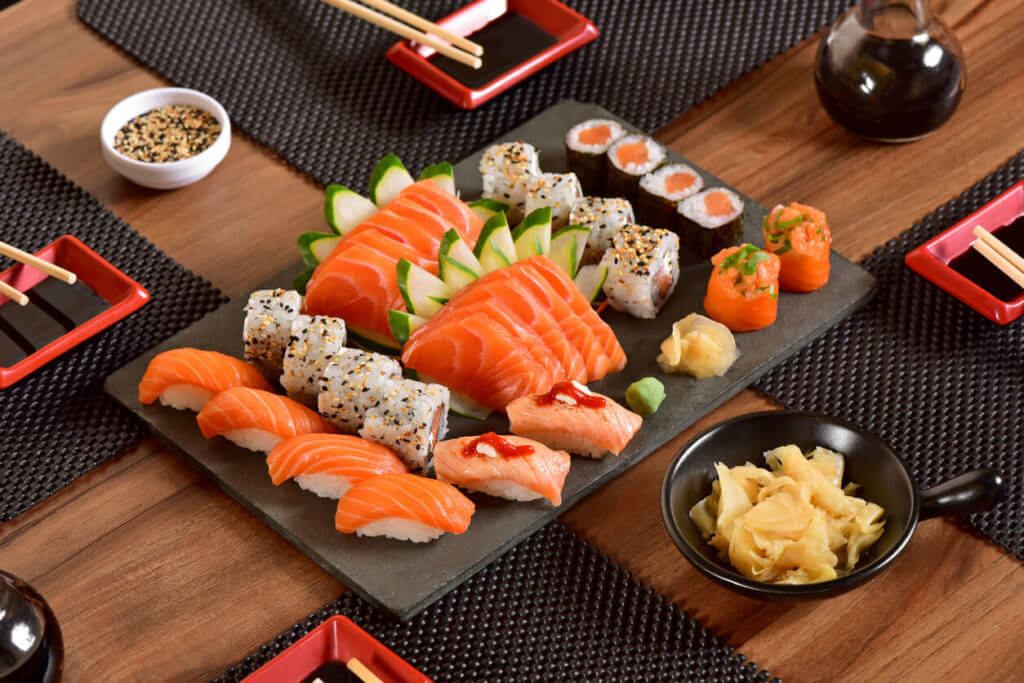
The training programs for sushi chefs, known as Itamae, have evolved significantly over the years, reflecting changes in culinary practices, cultural influences, and consumer preferences. Here, we explore the key differences between traditional sushi training in Japan and modern sushi training programs, particularly in Western contexts.
Traditional Sushi Training
- Length and Depth of Training:
Traditional sushi training in Japan typically spans 10 years or more. Aspiring chefs start at the bottom, often beginning as cleaners before gradually progressing to roles such as rice maker and then to Wakiita (apprentice). This extensive training allows them to master essential skills, such as knife techniques and rice preparation, which are crucial for creating high-quality sushi. - Culinary Philosophy:
The traditional approach emphasizes respect for ingredients and the art of sushi making. Itamae are trained not only in technical skills but also in the cultural significance of sushi, including the importance of presentation and the dining experience. The training is steeped in Japanese culinary philosophy, which values harmony, balance, and seasonal ingredients. - Hands-On Mentorship:
Traditional training often involves direct mentorship from a master Itamae, where apprentices learn through observation and practice. This hands-on approach fosters a deep understanding of techniques and the subtleties of flavor combinations, as well as the etiquette and customer service skills necessary in a sushi restaurant. - Focus on Technique:
Techniques such as the precise cutting of fish and the meticulous preparation of sushi rice are central to traditional training. The process is highly ritualistic, with chefs often spending years perfecting their knife skills and understanding the nuances of different fish and rice types.
Modern Sushi Training
- Accelerated Programs:
Modern sushi training programs, such as those offered at culinary schools, can be completed in as little as two months. These programs are designed to equip students with the basic skills needed to work in a sushi restaurant quickly. While they provide a solid foundation, they do not compare to the depth of knowledge gained through traditional training. - Curriculum Diversity:
Contemporary sushi schools often include a broader curriculum that covers not only sushi preparation but also aspects of restaurant management, food safety, and cost estimation. This reflects the growing business side of the culinary arts, preparing students for various roles in the food industry beyond just sushi making. - Fusion and Innovation:
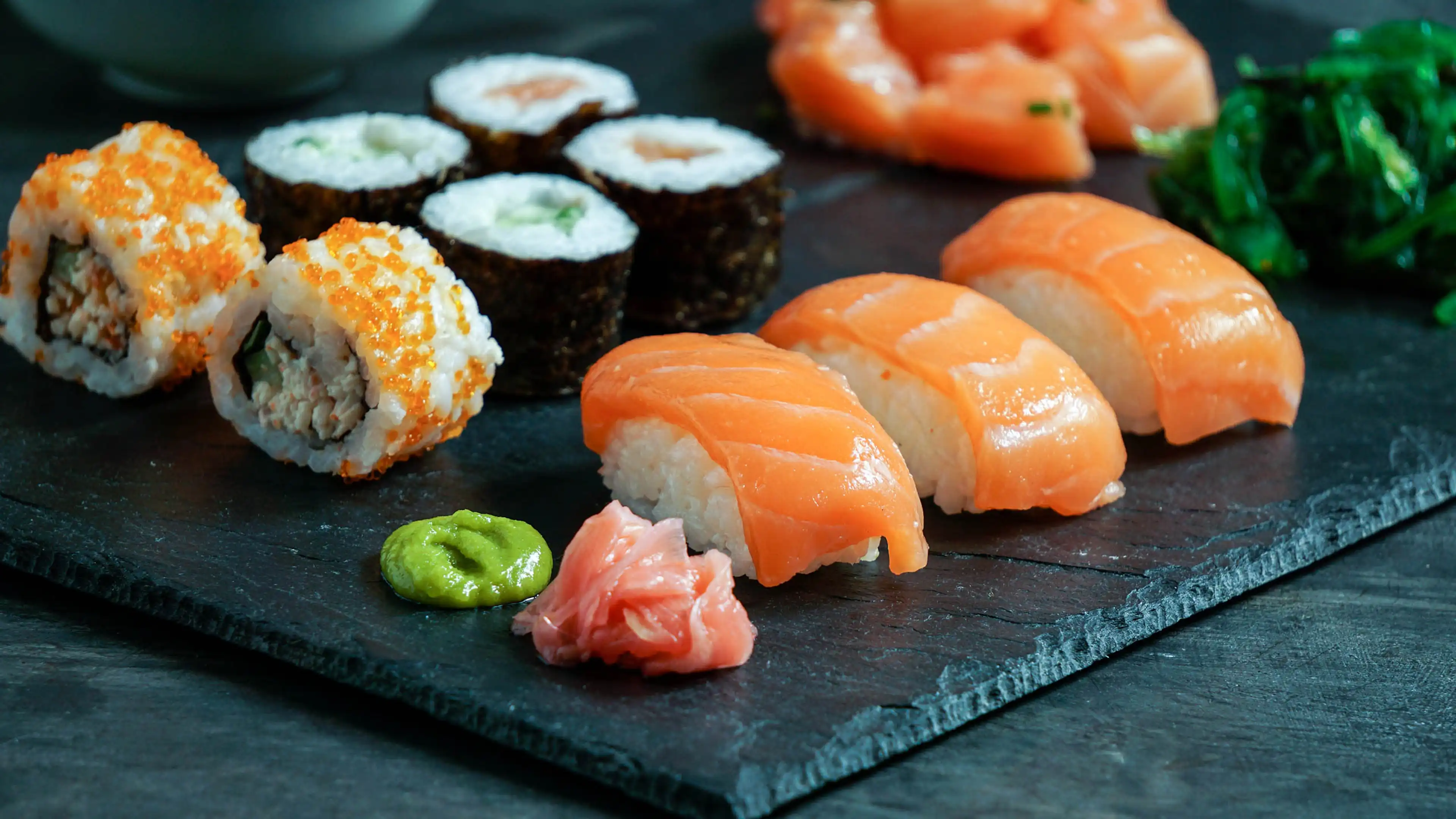
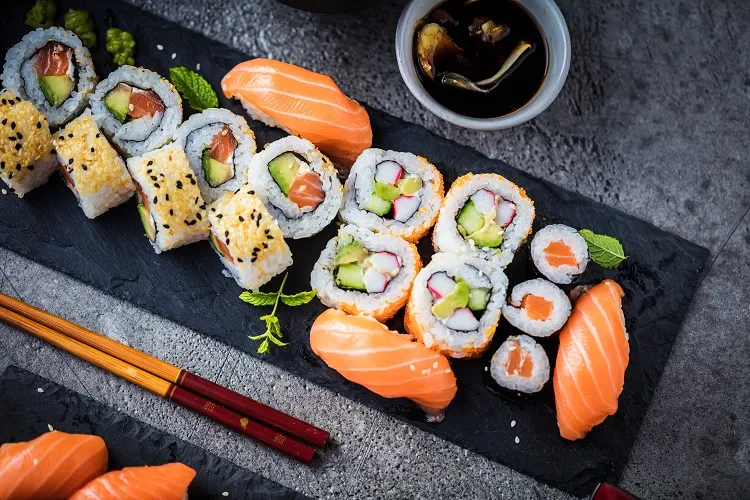
Modern sushi training embraces fusion cuisine and innovative techniques, often incorporating Western ingredients and styles. For example, the California roll—a sushi roll with avocado and crab—illustrates how Western tastes have influenced sushi preparation. Many modern programs teach students how to create both traditional and contemporary sushi styles. - Accessibility:
With the rise of sushi's popularity worldwide, modern training programs are more accessible to a diverse range of students, including non-Japanese chefs. This democratization of sushi training allows for a wider variety of culinary influences and interpretations, leading to new and exciting sushi creations.
Conclusion
The journey to becoming an Itamae reflects a rich tapestry of tradition and innovation. Traditional sushi training emphasizes a long-term commitment to mastering the craft, rooted in Japanese culture and culinary philosophy. In contrast, modern training programs offer quicker, more diverse paths to sushi preparation, accommodating the evolving tastes and preferences of a global audience. Both approaches have their merits, and together they contribute to the dynamic world of sushi today.