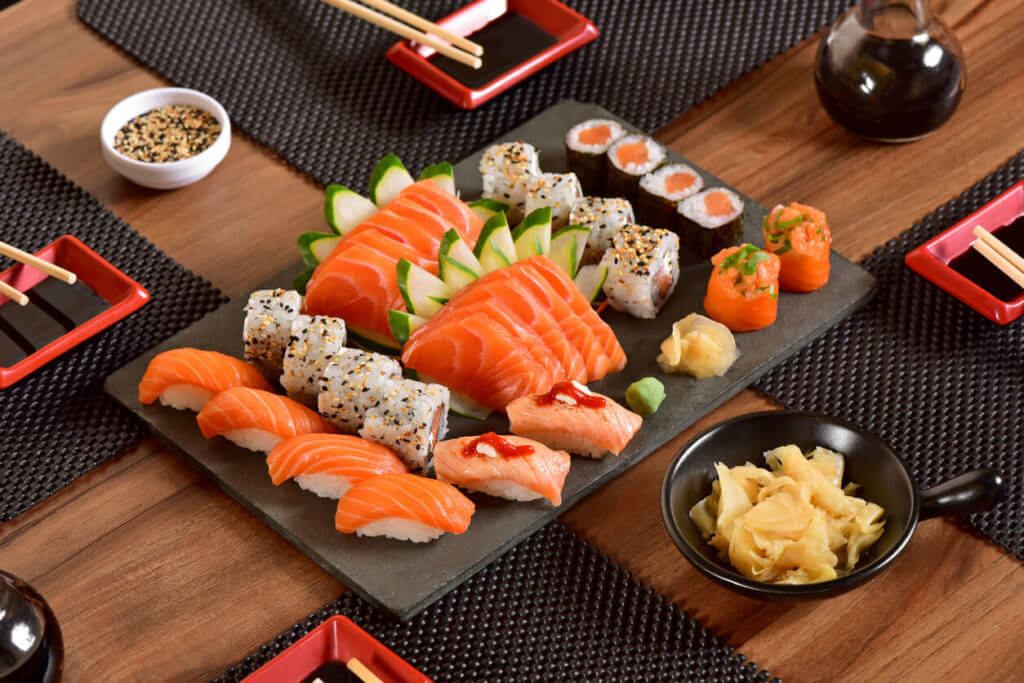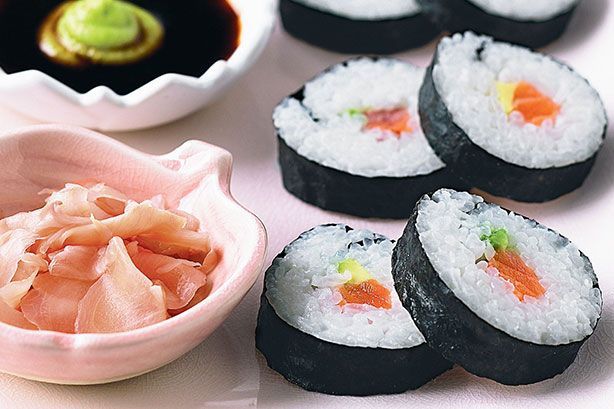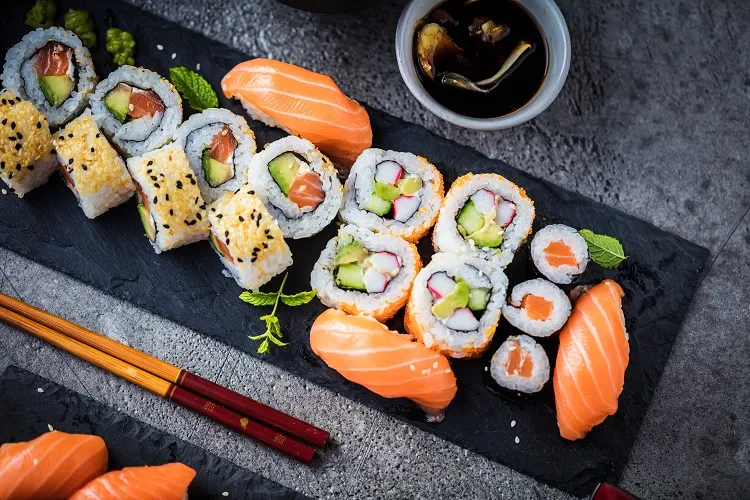
Sushi, a beloved culinary staple, has a rich and complex history that spans centuries and continents. Its evolution from a method of fish preservation to the diverse and intricate dishes we enjoy today reflects cultural exchanges and innovations in food preparation.
Origins of Sushi
Sushi's roots can be traced back to Southeast Asia around the 5th to 3rd centuries BCE, where the earliest form known as narezushi was developed. This method involved salting fish and fermenting it with rice, which acted as a preservative. The rice was eventually discarded, leaving only the fermented fish, a practice that allowed for long-term storage without spoilage.By the 2nd century AD, narezushi had made its way to China, where it was documented in culinary texts. The dish gained popularity in Japan by the 8th century, coinciding with the spread of Buddhism, which encouraged the consumption of fish as a protein source while prohibiting meat. The Japanese refined the fermentation process, reducing it from months to weeks or even days, and began to incorporate vinegar into the rice, enhancing its flavor and preserving qualities.
Development of Modern Sushi
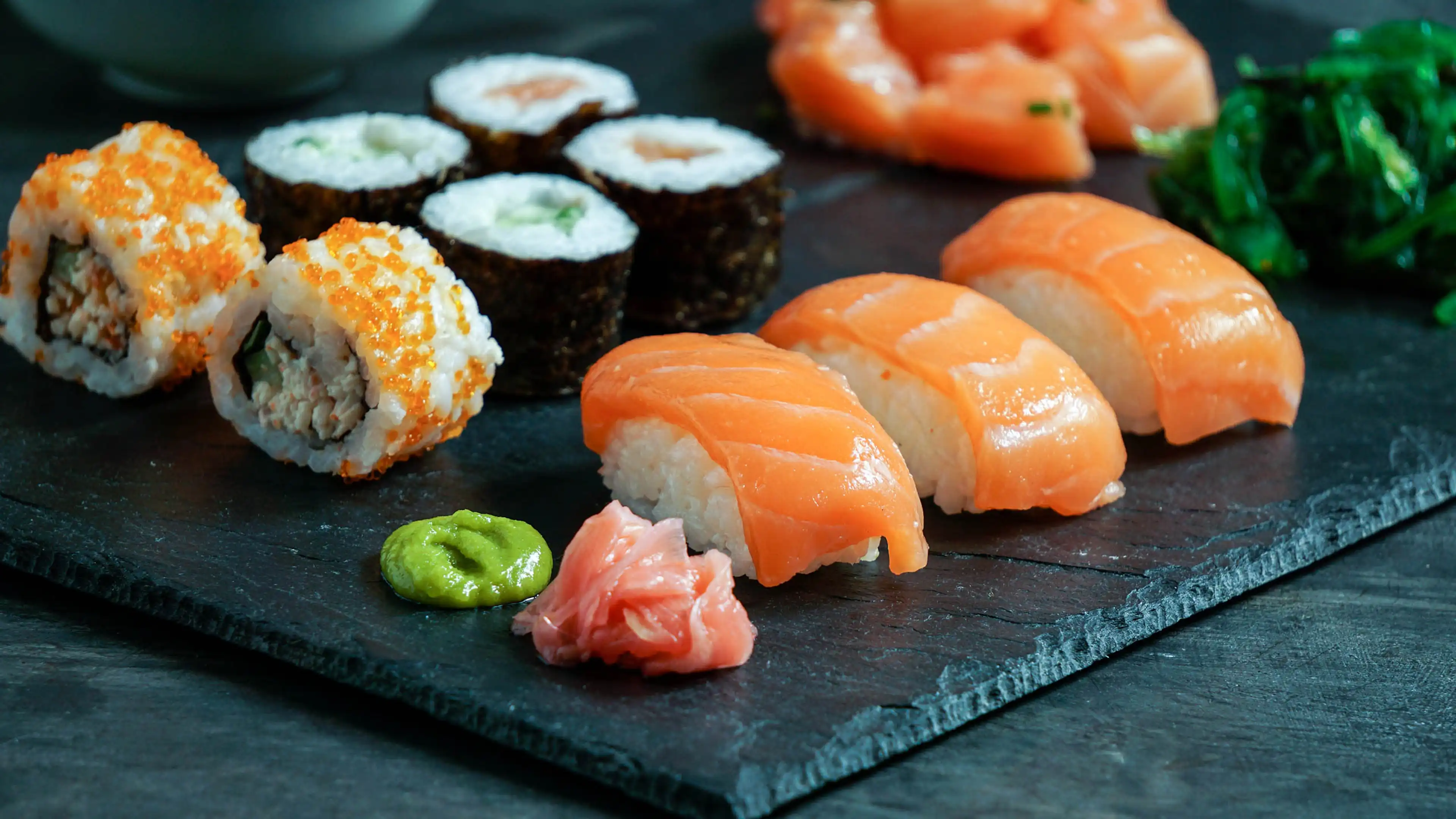
The modern concept of sushi began to take shape in the Edo period (1603-1868) in Japan. A pivotal figure in this transformation was Hanaya Yohei, who is credited with creating nigirizushi (hand-pressed sushi) in the early 1800s. This style featured fresh fish served atop small balls of vinegared rice, making it a convenient and portable meal option that quickly gained popularity among the working class in Edo (now Tokyo).Following World War II, sushi underwent further evolution. The closure of outdoor sushi stalls led to the establishment of indoor sushi restaurants, which formalized the dining experience and expanded the variety of sushi available. This period also saw the introduction of sushi to Western audiences, particularly in the United States, where it began to gain traction in the 1970s and 1980s with the creation of iconic rolls like the California Roll.
Global Influence and Modern Innovations
Today, sushi is not only a staple of Japanese cuisine but also a global phenomenon. Its adaptability has led to numerous interpretations, including sushi burritos and sushi bowls, which reflect Western culinary influences. Chefs around the world continue to innovate, experimenting with flavors and ingredients, while maintaining the traditional techniques that define sushi-making. In summary, sushi's journey from ancient preservation methods to a modern culinary art form illustrates the dynamic nature of food culture. Its ability to evolve while retaining its core principles has allowed sushi to remain relevant and beloved across the globe. As chefs continue to explore and innovate, the history of sushi is still being written, promising exciting developments for the future of this iconic dish.