Sushi is not just a dish, it’s a culinary art form that has captivated food lovers around the world. The delicate balance of flavors, the precision in preparation, and the cultural significance behind each roll make sushi a unique experience. In this blog, we will unveil the secrets of sushi making, guiding you through the essential techniques and tips to master the art of roll making.
Understanding Sushi: A Brief History
Sushi’s origins trace back to ancient Japan, where it began as a method of preserving fish through fermentation with rice. Over centuries, this evolved into the sushi we know today, characterized by vinegared rice paired with fresh ingredients. The evolution of sushi reflects not only a culinary transformation but also a cultural one, adapting to various tastes and preferences around the globe.
The Foundation: Perfecting Sushi Rice
The cornerstone of any sushi creation is the rice. Sushi rice, or shari, is typically made from short-grain varieties like Koshihikari. The preparation process is crucial: the rice must be washed thoroughly, soaked, and cooked to achieve the ideal texture—sticky yet distinct grains. Once cooked, the rice is seasoned with a mixture of rice vinegar, sugar, and salt, imparting a subtle sweetness and tang that complements the fresh ingredients.
Tips for Perfect Sushi Rice:
- Use the Right Rice: Opt for high-quality short-grain rice.
- Wash Thoroughly: Rinse the rice until the water runs clear to remove excess starch.
- Season Properly: Allow the rice to cool before adding the vinegar mixture to ensure even distribution.
Mastering Knife Skills
Knife skills are essential in sushi making. A sushi chef’s knife is an extension of their artistry, allowing for precise cuts that enhance both texture and presentation. Each slice of fish should be smooth and clean, showcasing the vibrant colors and delicate marbling of the ingredients.
Knife Techniques to Practice:
- Slicing Fish: Use a sharp, long knife to create even, thin slices.
- Cutting Vegetables: Practice julienne and chiffonade techniques for consistent shape.
Choosing Quality Ingredients
The quality of ingredients is paramount in sushi making. Freshness is key, whether it’s the fish, vegetables, or condiments. Sourcing high-quality ingredients ensures that each bite is bursting with authentic flavors.
Essential Ingredients for Sushi Rolls:
- Fish: Tuna, salmon, and yellowtail are popular choices.
- Vegetables: Cucumber, avocado, and carrots add crunch and freshness.
- Nori: The seaweed wrapper should be toasted for optimal flavor.
The Art of Rolling Sushi
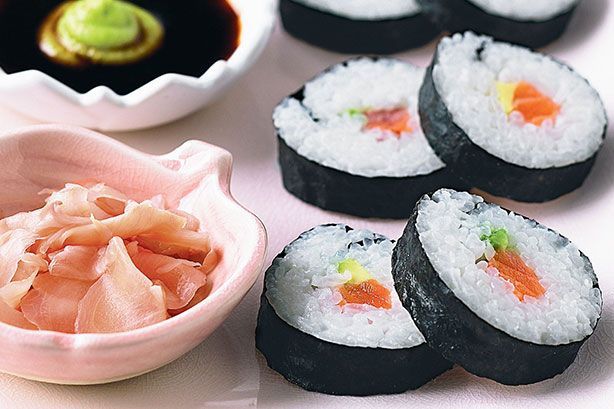
Rolling sushi can be an art in itself. There are various types of rolls, but the most common are maki (rolled sushi) and uramaki (inside-out rolls). The technique involves layering ingredients on a sheet of nori, adding rice, and then rolling tightly using a bamboo mat.
Steps to Roll Sushi:
- Prepare Your Workspace: Lay out your bamboo mat and place a sheet of nori on it.
- Add Rice: Spread a thin layer of sushi rice over the nori, leaving a small border at the top.
- Layer Ingredients: Place your chosen fillings in the center of the rice.
- Roll Tightly: Use the bamboo mat to roll the sushi away from you, applying gentle pressure to keep it tight.
- Slice and Serve: Use a sharp knife to cut the roll into bite-sized pieces, wiping the blade between cuts for clean edges.
Presentation Matters
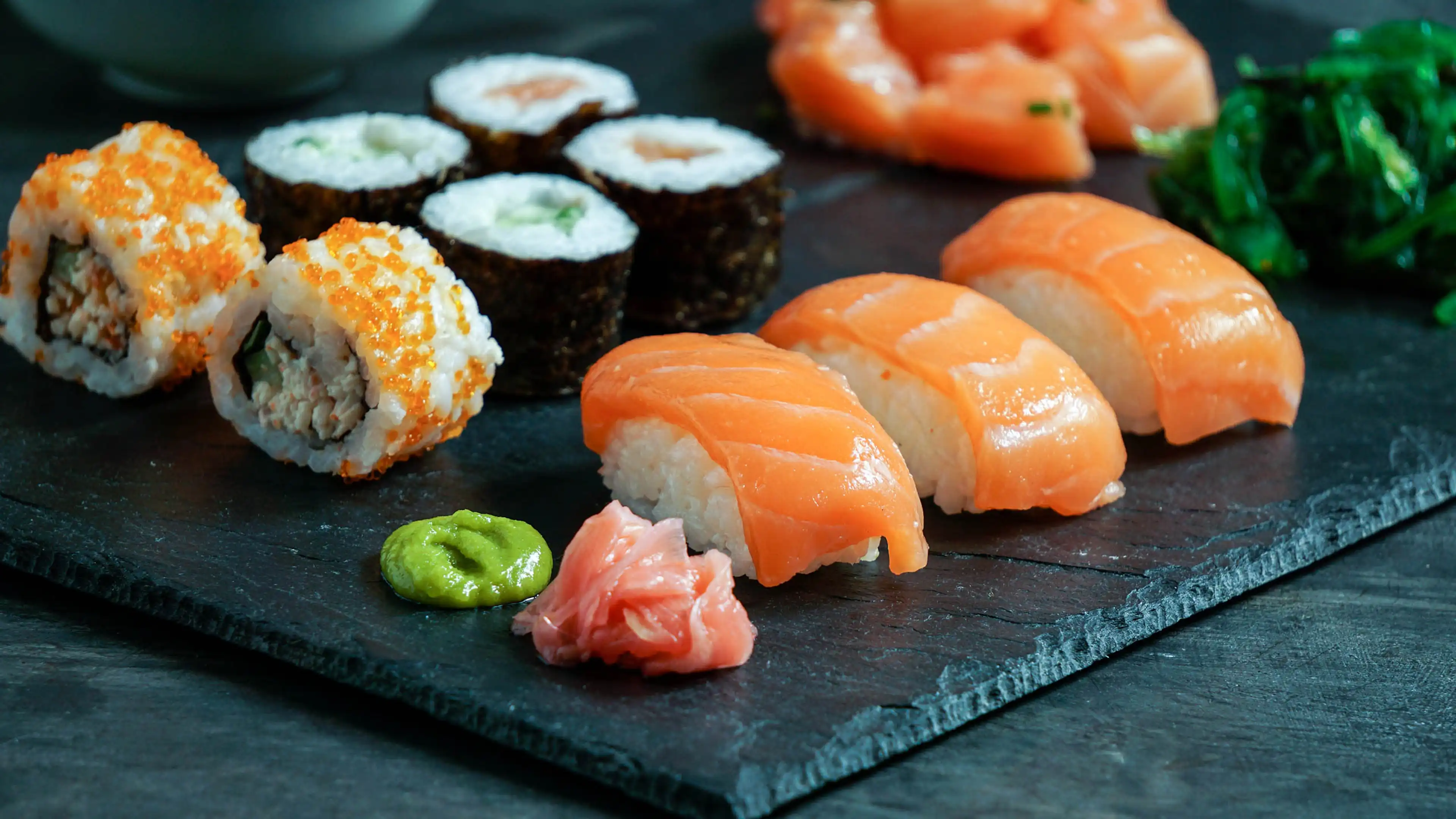
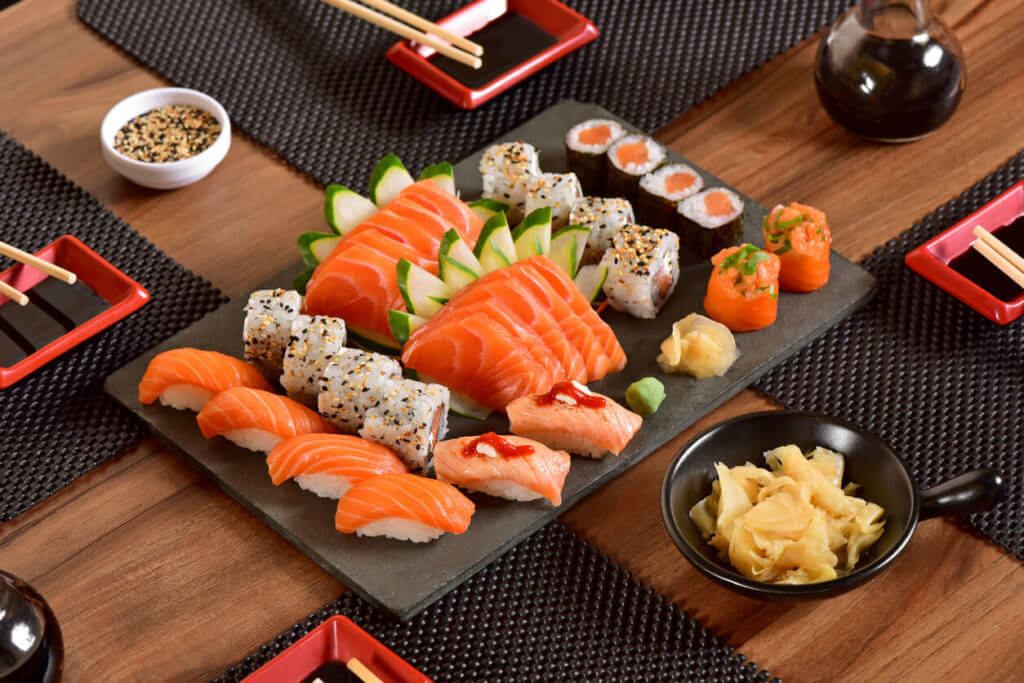
A beautifully presented sushi dish enhances the dining experience. Arrange your rolls artfully on a plate, garnishing with pickled ginger, wasabi, and a sprinkle of sesame seeds. The visual appeal of sushi is just as important as its taste, reflecting the care and attention that went into its creation.
Conclusion
Mastering the art of sushi roll making is a rewarding culinary journey. With practice, patience, and a commitment to quality, you can create sushi that not only tastes incredible but also showcases the artistry behind this beloved dish. Whether you’re preparing a simple vegetable roll or an intricate uramaki, remember that each piece is a reflection of your skills and creativity. Embrace the process, and enjoy the delicious rewards of your efforts!